
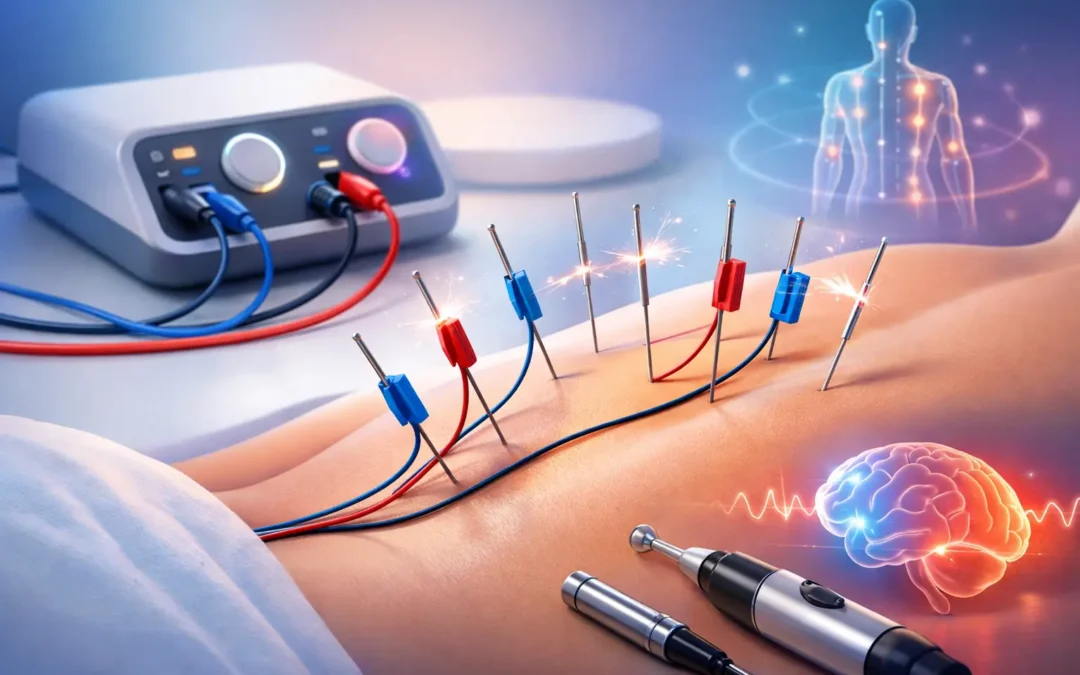
When pain, nausea, fatigue, or sleepless nights begin to shape every part of the day, supportive care should feel personal and practical. Electro acupuncture is a gentle acupuncture technique that may help ease difficult symptoms while supporting a greater sense of calm, comfort, and resilience during cancer treatment, recovery, or chronic health challenges.
For many people, the goal is not simply to get through an appointment. It is to have more usable energy for daily life, more restful sleep, and more moments that feel like their own. Used thoughtfully alongside conventional medical care, electro-acupuncture can be one part of an individualized plan focused on quality of life.
What Is Electro Acupuncture?
Electro acupuncture combines the principles of traditional acupuncture with mild electrical stimulation. After very fine, sterile needles are placed at carefully selected acupuncture points, small leads may be attached to some of the needles. The device delivers a controlled, low-level pulse that can be adjusted to the person’s comfort level.
The sensation is usually subtle. Some people notice a light tapping, pulsing, or gentle muscle flutter around a point, while others feel little more than the usual relaxation that can accompany an acupuncture session. The intensity is never meant to be painful. Your practitioner can adjust the setting throughout treatment, and electro-acupuncture is not required at every visit.
From a traditional East Asian medicine perspective, acupuncture helps encourage the balanced movement of Qi through the body. From a supportive-care perspective, the added stimulation may be useful when symptoms are persistent or when a practitioner believes a point may benefit from more sustained activation. The best approach depends on your symptoms, treatment history, energy level, and comfort on that particular day.
How Electro Acupuncture May Support Comfort
A cancer diagnosis, treatment schedule, medication changes, and the emotional weight of uncertainty can affect the body all at once. Pain may interrupt sleep. Nausea can make meals difficult. Fatigue may make even small tasks feel demanding. Electro-acupuncture is not a replacement for oncology care, medication, or medical evaluation. It can, however, be considered as complementary supportive care for symptoms that may affect daily functioning and well-being.
Pain, stiffness, and physical tension
Pain can have many sources, including surgery, treatment-related changes, muscle tension, neuropathy, arthritis, or long periods of limited movement. Acupuncture is often sought as a non-pharmaceutical option for supporting physical comfort. Electro stimulation may be selected for certain patterns of muscle tightness, localized discomfort, or persistent pain, while the treatment remains tailored to how your body is responding.
Nausea, fatigue, and treatment-related discomfort
Nausea and vomiting can leave people depleted long after treatment day. Acupuncture is commonly used in integrative supportive care to help manage nausea and promote a steadier sense of comfort. For fatigue, treatment may focus on restoration rather than pushing the body to do more. Some people describe feeling deeply relaxed after a session; others notice that their energy feels more even over time. Results vary, especially when fatigue has several medical causes.
Stress, anxiety, and disrupted sleep
A body under stress often has trouble settling. Racing thoughts, worry before appointments, hot flashes, pain, and frequent waking can all interfere with restorative sleep. Acupuncture sessions create protected time to slow down and receive care. Electro-acupuncture may be used when appropriate, but sometimes a quieter, needle-only treatment is the better fit for someone feeling overstimulated, exhausted, or emotionally tender.
What a Personalized Session Can Look Like
The first step is a conversation. Your practitioner will ask about the symptoms that are most affecting your life, along with your diagnosis, treatment plan, medications, sleep, digestion, stress level, and health history. This helps guide a treatment that respects both the medical realities of your care and the whole-person experience of living through them.
Treatment does not need to look the same from one visit to the next. A person coping with nausea after infusion may need a different approach than someone dealing with scar-area tightness, hot flashes, dry mouth, anxiety, or poor sleep. On a day when energy is low, a gentler treatment may be most supportive. On another day, electro stimulation may be added to selected points for a specific concern.
Needles are typically retained while you rest comfortably. If electro-acupuncture is part of the session, only a few needles may be connected to the device. Your practitioner will check in about the sensation and make adjustments as needed. Complementary services such as acupressure massage, Tui Na, cupping, or Qi-balancing treatment may also be considered when appropriate to your needs and health status.
Safety Matters, Especially During Cancer Care
Supportive care works best when it is coordinated and transparent. Always tell your acupuncturist about your diagnosis, current treatment, medications, surgeries, ports, implants, blood counts, and any new or changing symptoms. Your oncology team should remain central to decisions about cancer treatment and symptom management.
Electro-acupuncture is not appropriate for everyone. People with certain implanted electrical devices, such as a pacemaker or defibrillator, generally need to avoid electrical stimulation unless their medical team has specifically cleared it. Extra caution may also be needed with bleeding concerns, low blood counts, lymphedema risk, significant skin sensitivity, active infection, reduced sensation, or areas affected by surgery or radiation.
A qualified practitioner will choose points and techniques with these considerations in mind. They may avoid certain areas, postpone treatment, or use manual acupuncture or acupressure instead. This is not a limitation of care. It is what individualized, clinically supportive care should look like: responsive, careful, and grounded in your current condition.
Choosing the Right Pace for Treatment
There is no universal number of sessions. Some people seek care around a specific challenge, such as nausea during treatment weeks or tension that is making sleep difficult. Others benefit from regular visits as part of an ongoing supportive-care routine. The right frequency depends on symptom severity, medical scheduling, how you respond, and what feels manageable for you.
It can help to track a few meaningful markers between visits: pain intensity, sleep quality, nausea episodes, energy patterns, bowel changes, mood, or the ability to enjoy a daily activity. These details give your practitioner a clearer picture of whether the plan should continue, change, or become gentler. Improvement is not always linear, particularly during active cancer treatment, and a thoughtful plan leaves room for that reality.
At AIM Wellcare, electro-acupuncture is approached as part of whole-person support, not a one-size-fits-all procedure. The focus is on helping you feel heard, more comfortable in your body, and better supported through the challenges in front of you.
If symptoms are taking too much from your day, you do not have to wait until they become overwhelming to ask for support. A calm conversation about your goals, medical needs, and comfort level can be a meaningful first step toward care that meets you where you are.